17 March 2026
The Rise of Integrated Living in Jakarta: Why Urban Residents Are Choosing Lifestyle-Centered Developments
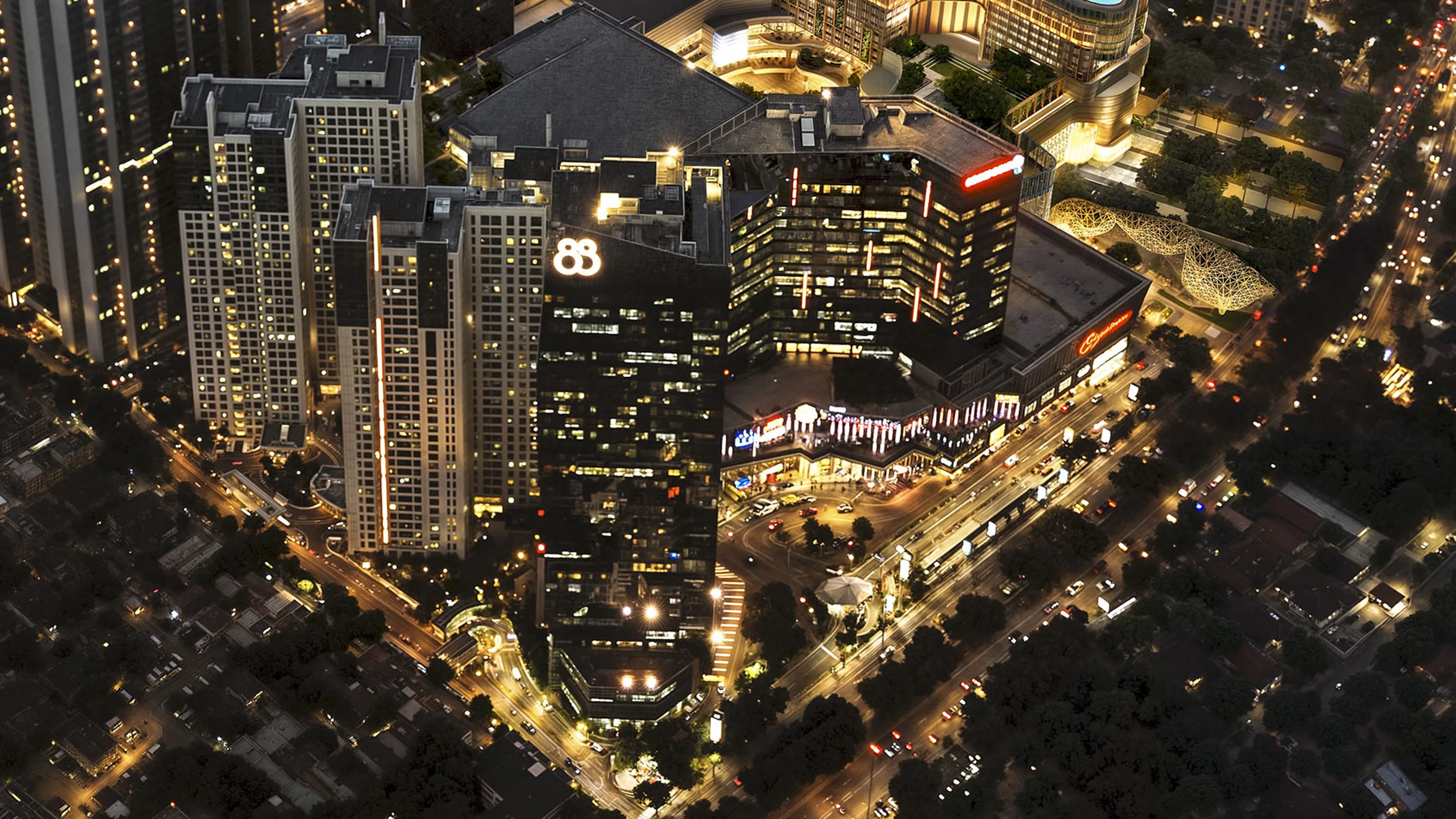
Jakarta is undergoing a transformation in the way people think about residential living. For decades, housing in the city was primarily defined by location and price. Today, however, residents increasingly prioritize lifestyle integration, accessibility, and community when choosing where to live.
Across global cities—from Singapore to Tokyo and London—urban planning has shifted toward integrated developments that combine residential towers, retail areas, public spaces, and lifestyle facilities within a single environment. Jakarta is now entering a similar phase of evolution.
This shift reflects a broader understanding that a home in a major city is no longer only a place to sleep. Instead, it becomes part of a larger ecosystem where work, leisure, social interaction, and personal well-being coexist.
The Urban Challenge: Time and Mobility
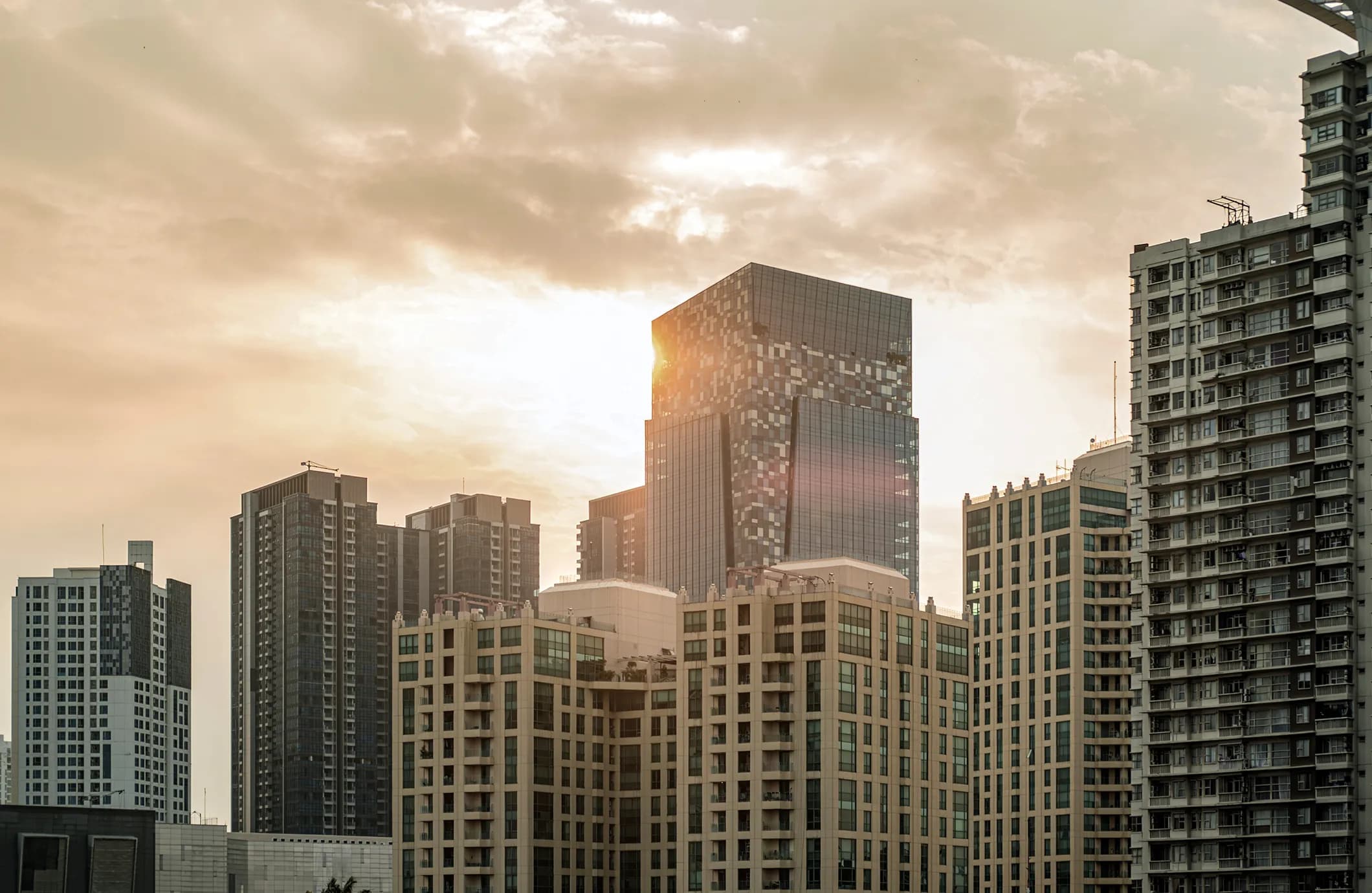
Jakarta is one of the most dynamic cities in Southeast Asia, but it is also a city where mobility challenges shape daily life. Long commuting times have historically defined the experience of living and working in the capital.
Jakarta is one of the most dynamic cities in Southeast Asia, but it is also a city where mobility challenges shape daily life. Long commuting times have historically defined the experience of living and working in the capital.
Urban planners often describe this concept as “15-minute living,” where essential activities can be reached within a short walk or commute.
In Jakarta, where density continues to increase, this model is becoming increasingly relevant.

Integrated Developments and Community Formation
Beyond convenience, integrated developments also contribute to something less tangible but equally important: community formation.
Traditional urban living can sometimes create social fragmentation. Large cities are vibrant, yet they can also feel anonymous. Integrated living environments encourage interaction through shared spaces such as gardens, lounges, fitness areas, and cultural venues.
These environments create opportunities for residents to connect with neighbors and participate in a community that extends beyond the walls of individual apartments.
The result is a living experience that balances privacy with belonging—an aspect that many residents now value highly.
Lifestyle Infrastructure in Modern Residences
Modern residential developments increasingly incorporate lifestyle infrastructure designed to support diverse daily activities.
Examples often include:
- wellness and fitness facilities
- communal gardens and outdoor spaces
- work lounges and flexible meeting areas
- dining and entertainment environments
- recreational amenities for families and children
These elements reflect a deeper shift in urban expectations. Rather than separating work, recreation, and relaxation into different parts of the city, integrated developments allow these activities to coexist within a single environment.
The Future of Urban Living in Jakarta
Jakarta's future as a global city will depend partly on how successfully it adapts to evolving patterns of urban living.
Integrated developments are likely to play a key role in this transformation. By bringing together residential, commercial, and lifestyle spaces, these environments respond to the needs of a new generation of residents who seek both efficiency and quality of life.
In many ways, this model represents the next stage of Jakarta's urban maturity—one where the city becomes not only larger, but also more thoughtfully connected.