17 March 2026
The Psychology of Living High: How Vertical Living Shapes Well-Being in Modern Cities
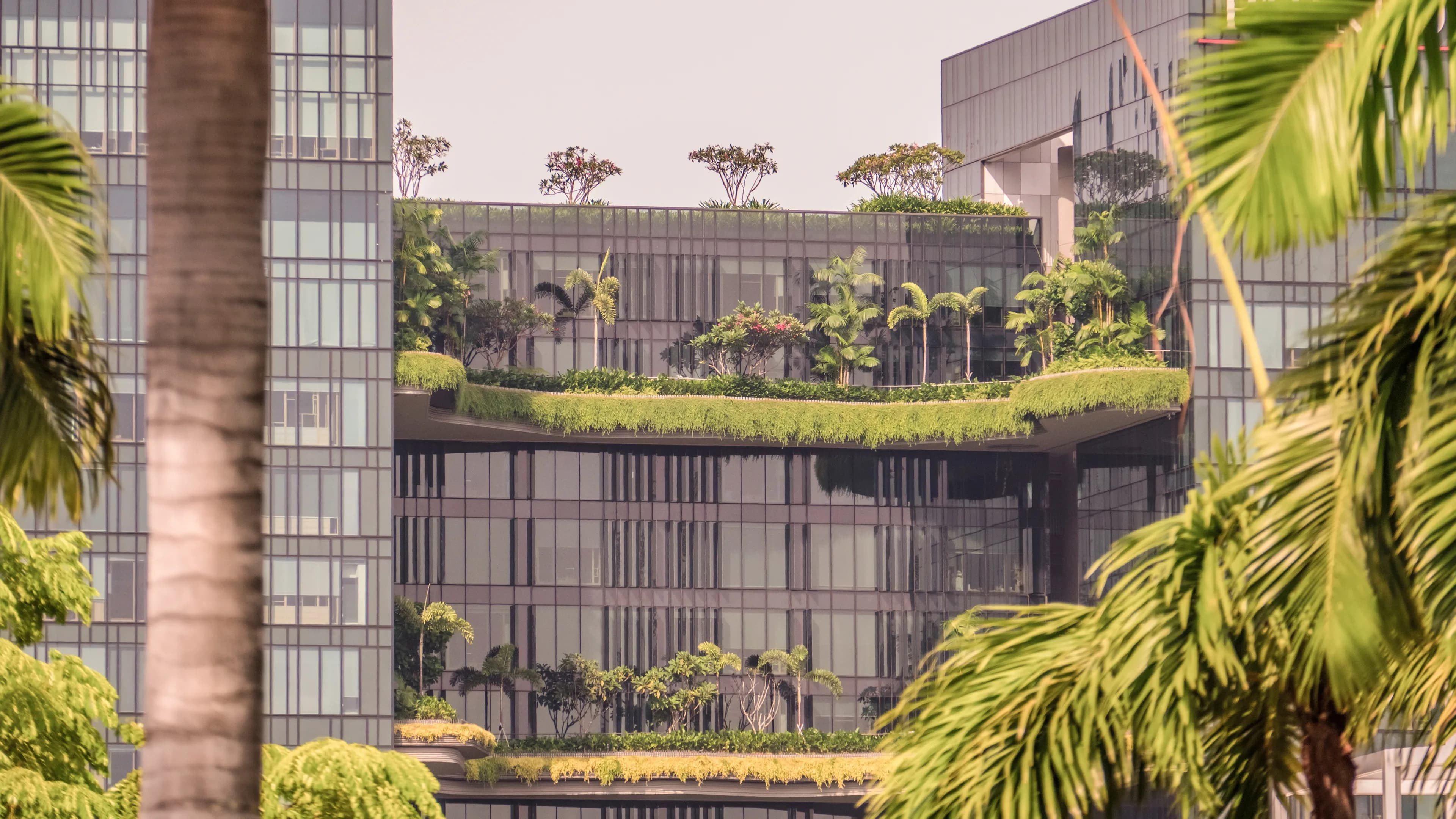
Vertical living has become one of the defining features of contemporary urban life. As cities grow denser and land becomes more limited, residential towers offer an efficient way to accommodate growing populations.
Yet beyond practicality, living in elevated spaces also influences how people experience their surroundings. Environmental psychologists have long studied how architecture affects human behavior and emotional well-being, and vertical living presents a particularly interesting case.
From expansive skyline views to increased access to natural light, elevated living environments can shape both mood and daily perception of the city.
Height and Perspective
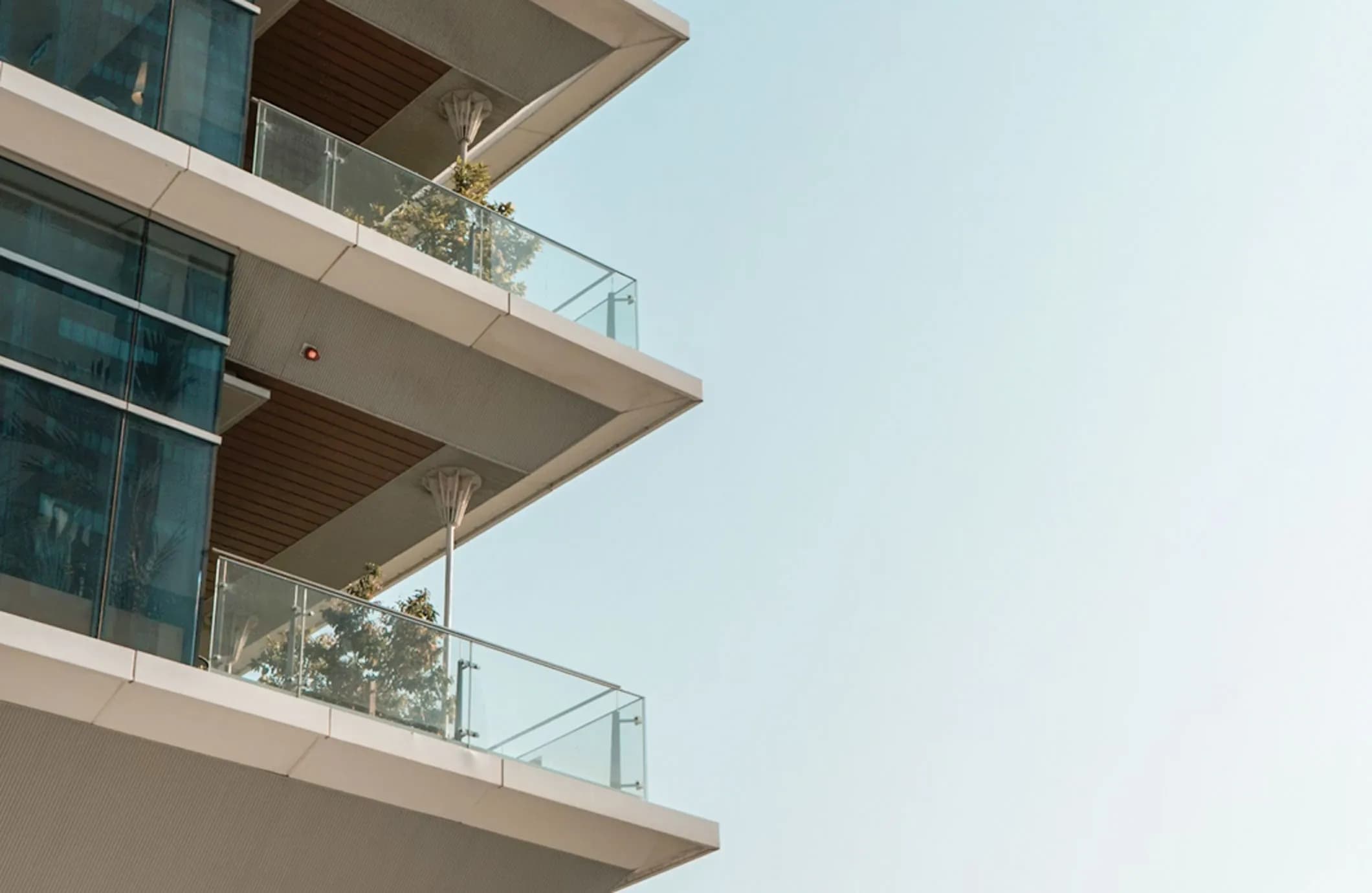
One of the most immediate differences between high-rise living and ground-level housing is perspective.
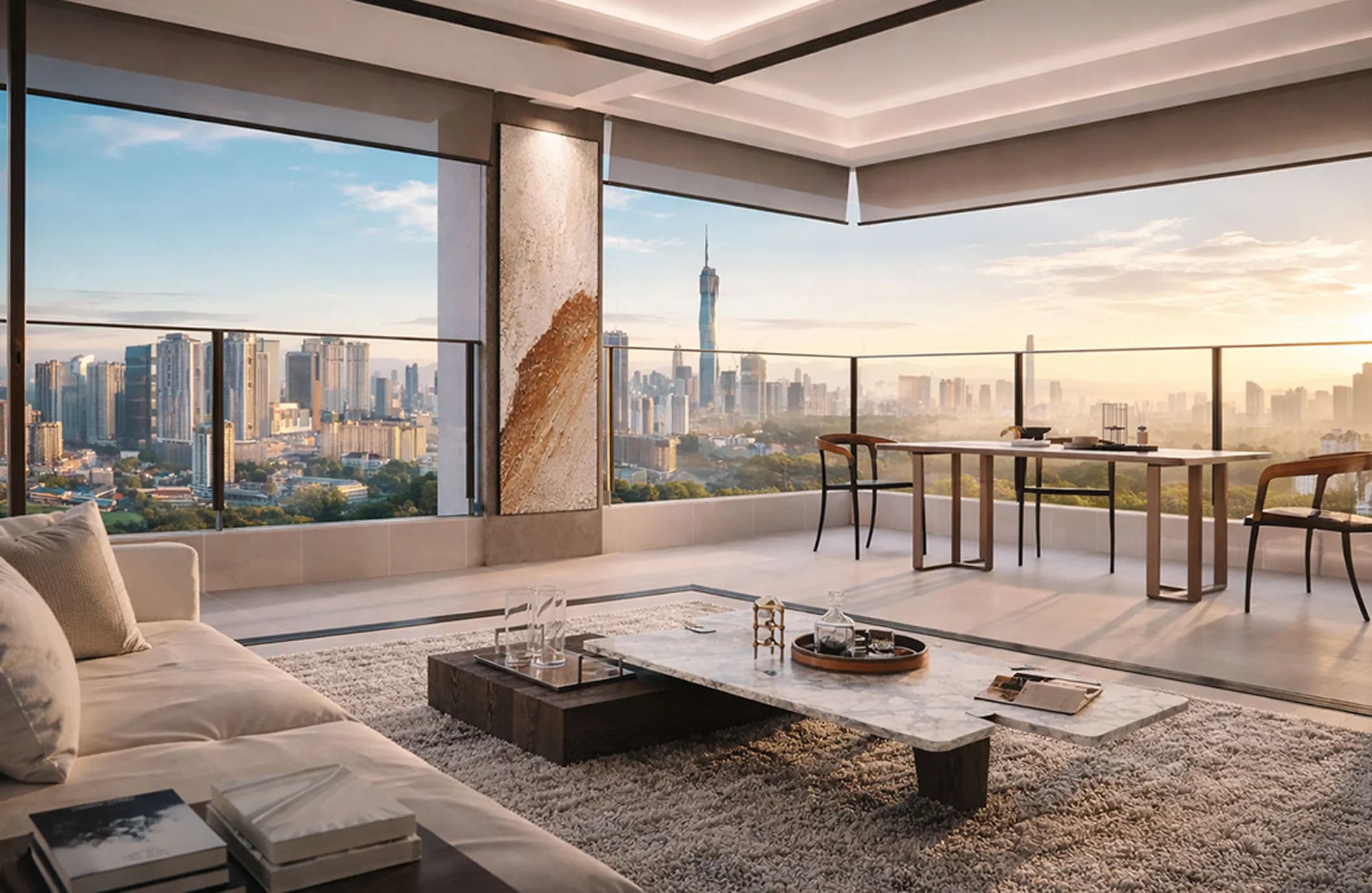
From elevated spaces, residents experience the city not only as a place of activity but also as a visual landscape. The broader horizon created by height can generate a sense of openness and distance from the density below.
This psychological shift often contributes to feelings of calm and mental clarity. When residents can look outward toward the skyline, greenery, or distant city lights, the environment encourages moments of reflection that are rare at street level.
Natural Light and Urban Wellness
Another important factor in vertical living is access to natural light.
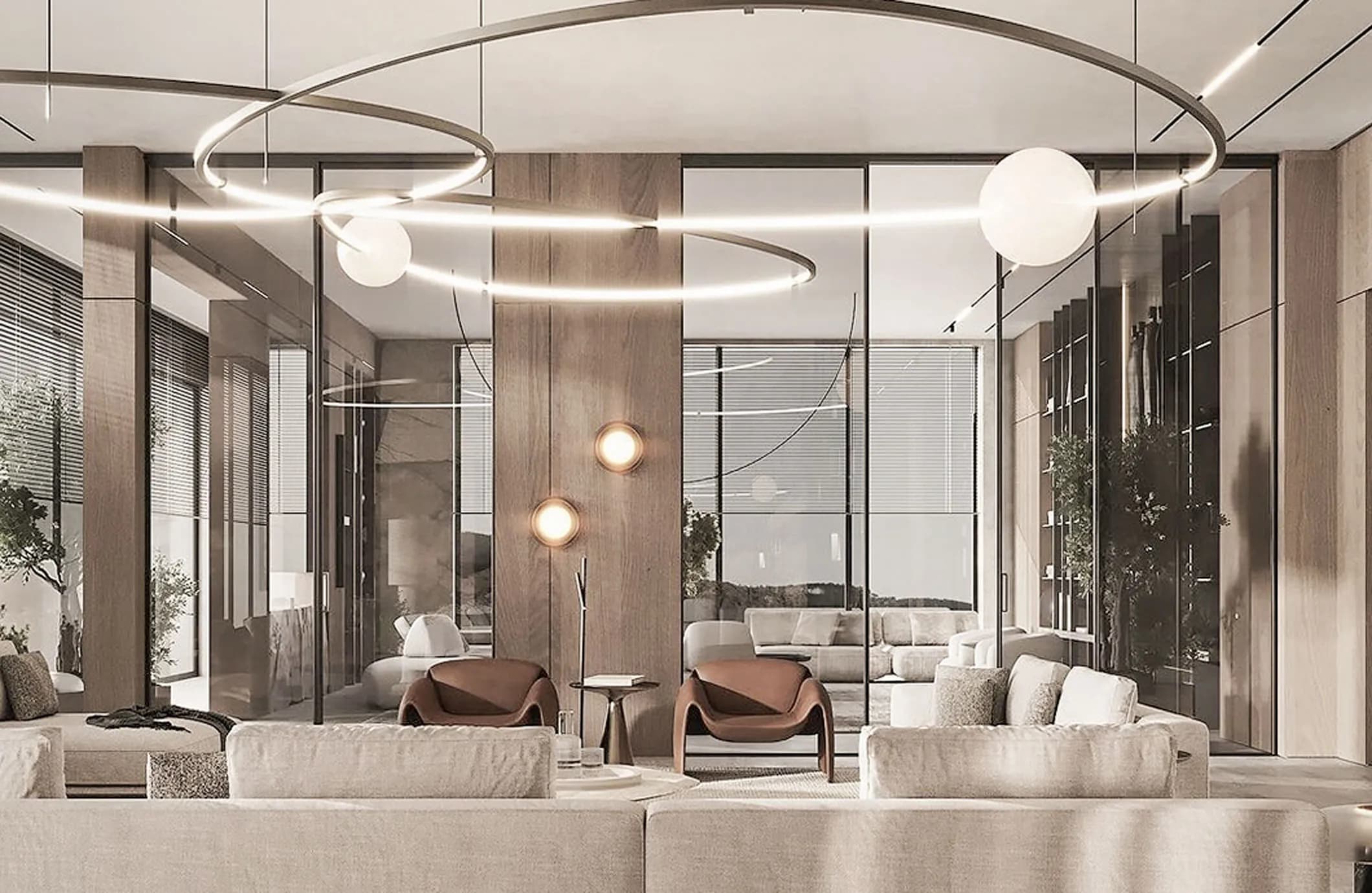
Modern residential towers are typically designed with large windows and open layouts that maximize daylight exposure. Research in environmental health consistently shows that natural light plays a crucial role in supporting:
- improved mood
- better sleep cycles
- increased productivity
- overall psychological well-being
In dense cities, where many buildings compete for space, elevated apartments often receive greater sunlight exposure than lower floors.
This combination of light and open views creates a living environment that can feel more spacious and balanced.
Distance from Urban Noise
Urban noise is one of the most common stressors associated with city living. Traffic, street activity, and dense infrastructure can generate constant background sound.
High-rise residences naturally provide a degree of separation from this noise. As height increases, the intensity of street-level sound often decreases, creating a quieter indoor environment.
For residents balancing demanding careers and fast-paced lifestyles, this acoustic separation can be an important contributor to daily comfort.
Vertical Communities
While vertical living creates physical distance from the ground, modern residential towers are increasingly designed to encourage social connection within the building itself.
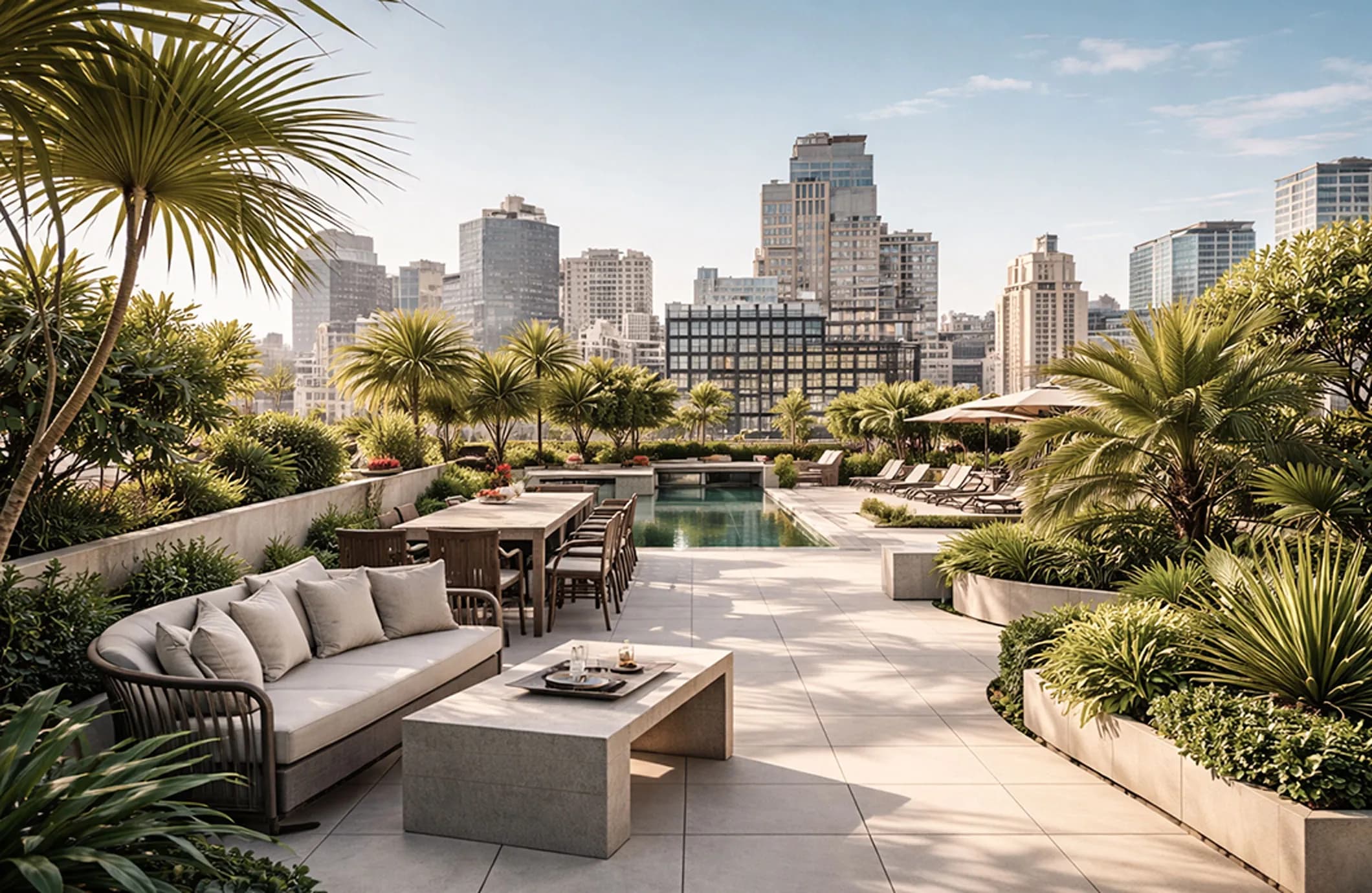
Shared amenities, lounges, wellness facilities, and communal outdoor areas help residents interact and form relationships with neighbors.
In this sense, vertical communities function almost like micro-neighborhoods within the larger city.
Residents benefit from both privacy and proximity to others, which helps maintain a balance between independence and social engagement.

A New Relationship with the City
Ultimately, vertical living changes how residents relate to the city around them.
Instead of experiencing the city solely through streets and neighborhoods, residents also engage with it through skyline views, sunsets, and the broader urban horizon.
This dual perspective—being both within the city and above it—creates a unique sense of connection to the urban environment.
As cities like Jakarta continue to grow vertically, understanding the psychological impact of these living environments becomes increasingly important.