17 March 2026
Designing Homes for Two Rhythms of Life: Energy and Sanctuary in Urban Living
Life in a global city often unfolds across two distinct rhythms.
During the day, the city pulses with activity—business meetings, social gatherings, restaurants, and cultural events. At night, however, the home becomes a place for quiet reflection, personal time, and recovery.
Modern residential architecture increasingly recognizes this duality. The challenge for designers is to create homes that accommodate both the vibrant energy of urban life and the need for personal sanctuary.

Urban Energy and Social Life
Cities thrive on interaction. Restaurants, galleries, cafes, and cultural venues create environments where people gather and exchange ideas.
Many residents choose to live in central districts precisely because of this dynamic atmosphere. Proximity to cultural and social activity allows residents to participate more fully in the life of the city.
However, this vibrancy also requires balance. Without thoughtful residential design, constant exposure to urban activity can become overwhelming.

The Home as a Retreat
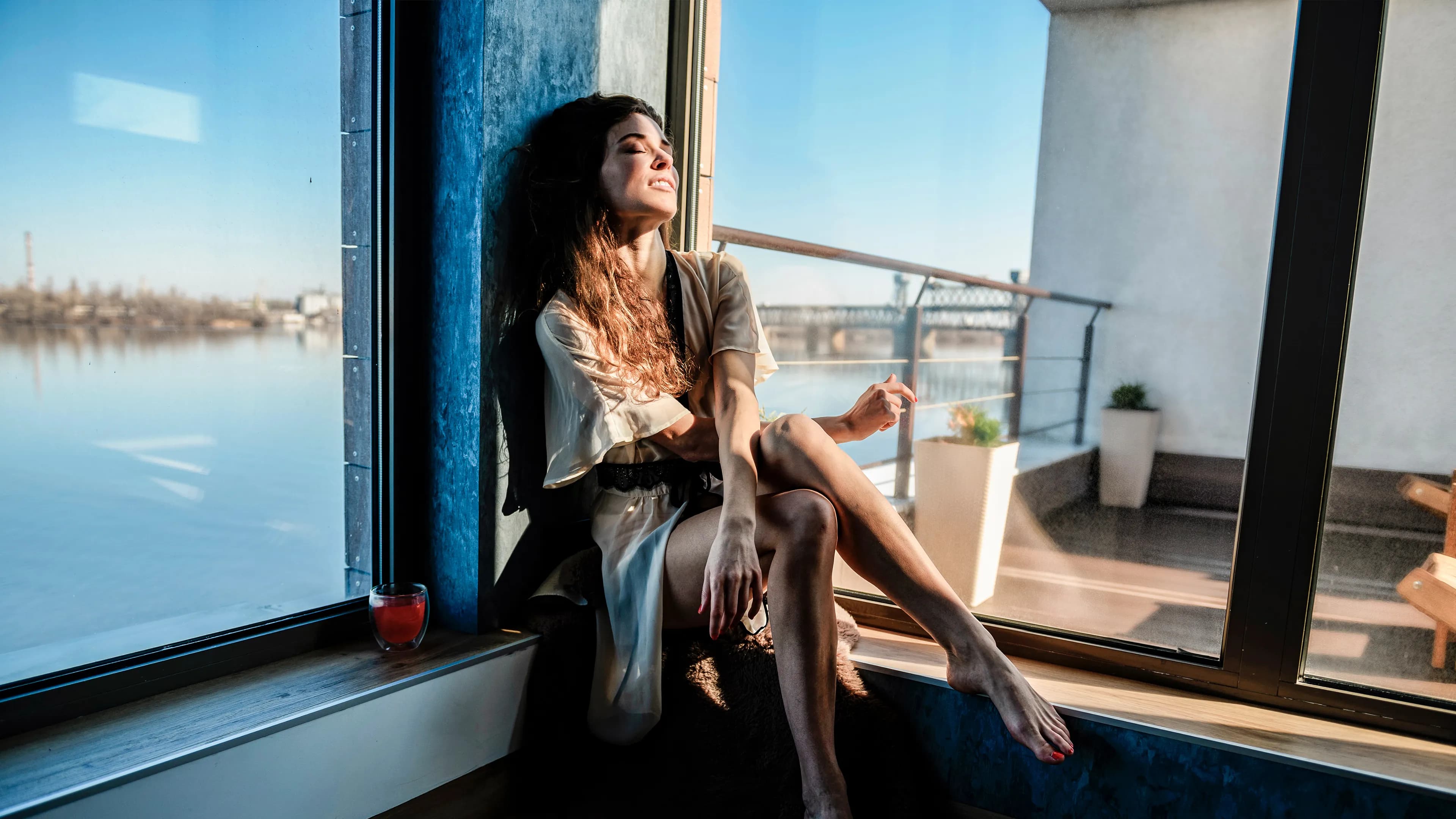
Architects increasingly approach residential design with the idea that the home must function as a retreat from the city.
Design strategies often include:
- private wellness spaces
- quiet lounges or libraries
- landscaped gardens and outdoor terraces
- spa-like environments for relaxation
These spaces allow residents to transition gradually from the external energy of the city into a more personal and reflective environment.
In effect, architecture becomes a tool for managing emotional and psychological balance.
Layered Spatial Design
One of the most effective strategies in modern residential design is layered spatial planning.
Instead of creating a single type of environment, architects design multiple layers of experience within a building:
- public or social spaces
- semi-private communal areas
- private residential environments
This layered approach allows residents to move fluidly between different moods and activities.
A resident might begin the evening in a lively restaurant nearby, continue a conversation in a shared lounge, and then retreat to the quiet comfort of their private residence.
Architecture and Daily Rituals
Well-designed residential spaces support daily rituals that contribute to long-term well-being.
Morning routines, exercise, social gatherings, and moments of solitude all require different environments. By thoughtfully designing these environments within residential buildings, architects help residents develop sustainable urban lifestyles.
These design principles are increasingly visible in modern residential developments across global cities.
The Future of Urban Homes
As urban life continues to accelerate, the importance of residential design will only increase.
Homes must function not only as shelter but also as environments that support physical health, emotional balance, and meaningful social interaction.
The most successful residential architecture will be the kind that allows residents to move effortlessly between the energy of the city and the tranquility of home.